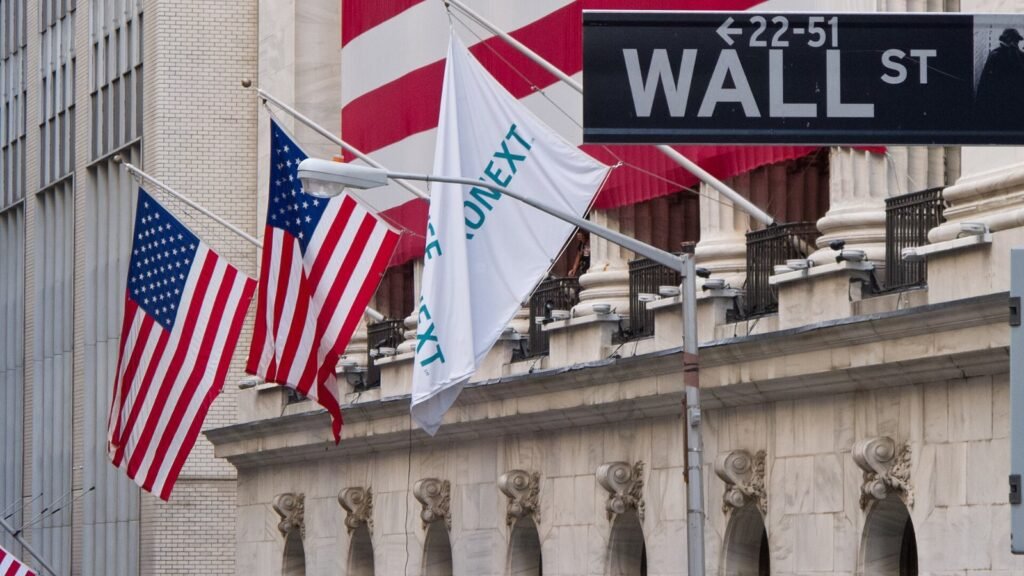
An initial public offering converts a private company into a listed one, allowing its shares to be traded by the public. The bell-ringing photograph is the last five minutes of a process that typically runs the better part of a year and involves decisions that shape the company long after the first day of trading.
Why companies list — and why fewer do
The traditional motivations are raising capital for growth, giving early investors and employees a route to sell, creating a liquid currency for acquisitions, and gaining the credibility that public reporting confers with customers and counterparties.
Related: why one port delay raises prices everywhere
Against those sit real costs. Public companies face continuous disclosure obligations, quarterly scrutiny, significant ongoing compliance expense, and a shareholder base that can be more short-term than a private one. The growth of private capital markets means many companies can now raise substantial sums without listing, which is a large part of why the number of listed companies in several major markets has fallen over recent decades even as market values have risen.
Preparation
The first phase is internal and usually the longest. Financial statements must be prepared to the required standard and audited, typically for the preceding three years. Governance is restructured: an independent board, audit and remuneration committees, and formal internal controls. Any shareholder arrangements incompatible with a public register are unwound.
Companies frequently discover in this phase that their historical accounts require restatement, that related-party transactions need cleaning up, or that their systems cannot produce reporting fast enough to meet public deadlines. Addressing these is unglamorous and is where most delays originate.
Related: where film budgets actually go
Selecting the banks
The company appoints investment banks as underwriters, usually with one or two acting as lead bookrunners and others in supporting roles. Selection happens through a process known as a bake-off, in which banks pitch on valuation, distribution capability, research coverage and fees.
There is a structural tension here worth naming. Banks compete partly on the valuation they suggest, which creates an incentive to be optimistic in the pitch, while their interest during execution is in a price that clears comfortably. The valuation floated at the pitch stage is therefore rarely the one that survives to pricing.
Due diligence and the prospectus
Lawyers and accountants conduct due diligence across the business, and the output feeds the prospectus — the offering document setting out the business, financials, risk factors, use of proceeds and ownership. The risk factors section, often derided as boilerplate, is worth reading carefully; genuinely company-specific risks appear there and nowhere else in the marketing material.
The prospectus is filed with the securities regulator, which reviews it and issues comments. Several rounds of response are normal. Once cleared, the document can be used to market the offering.
Marketing and book-building
Management then conducts a roadshow, presenting to institutional investors over one to two weeks. Simultaneously the banks build a book of demand, recording how many shares each investor would buy at what price.
An indicative price range is published at the start of this process and is frequently revised as demand becomes clear. Book-building is a price discovery mechanism, but an imperfect one: investors know their indications influence the final price, which gives them reason to understate their willingness to pay.
Pricing, and the underpricing question
The night before trading begins, the company and banks set the final price and allocate shares. This is the most consequential decision in the process.
Research across decades and markets finds that IPOs are systematically underpriced — first-day trading typically closes above the offer price, often substantially. The gap represents money the company did not raise. Explanations include compensating investors for information asymmetry, ensuring the offering completes, and rewarding the institutional clients on whom banks depend for future business. The last explanation is uncomfortable and is one reason alternative mechanisms exist.
Alternatives to the traditional route
A direct listing places existing shares on an exchange without issuing new ones or using underwriters. It avoids underpricing and lock-up constraints but raises no new capital in its classic form and requires a company already well known enough to attract demand without a roadshow.
An auction format lets the market set the price directly. It has been used successfully but remains uncommon, partly because it removes the allocation discretion banks value.
After the bell
Stabilisation provisions allow the underwriters to support the price in early trading through a mechanism known as the greenshoe, which lets them buy back shares if the price falls below the offer level. Lock-up agreements prevent insiders selling for a defined period, commonly six months, and the expiry of that period is a recurring source of price pressure that new investors frequently overlook.
The company then begins the routine of public life: periodic reporting, guidance, analyst coverage and the permanent presence of a share price as a running commentary on every decision management makes.
More from PressBBC
- Supply Chains Explained: Why One Port Delay Raises Prices Everywhere
- How Central Bank Interest Rate Decisions Reach Your Mortgage
- Film Budgets Explained: Where the Money Goes and When a Film Breaks Even
- Browse everything in our Business section.
Sources and further reading
- London Stock Exchange — listing routes and market segments
- FCA — Markets — the UK Listing Rules and prospectus requirements
- U.S. Securities and Exchange Commission — filings and disclosure rules for US listings