
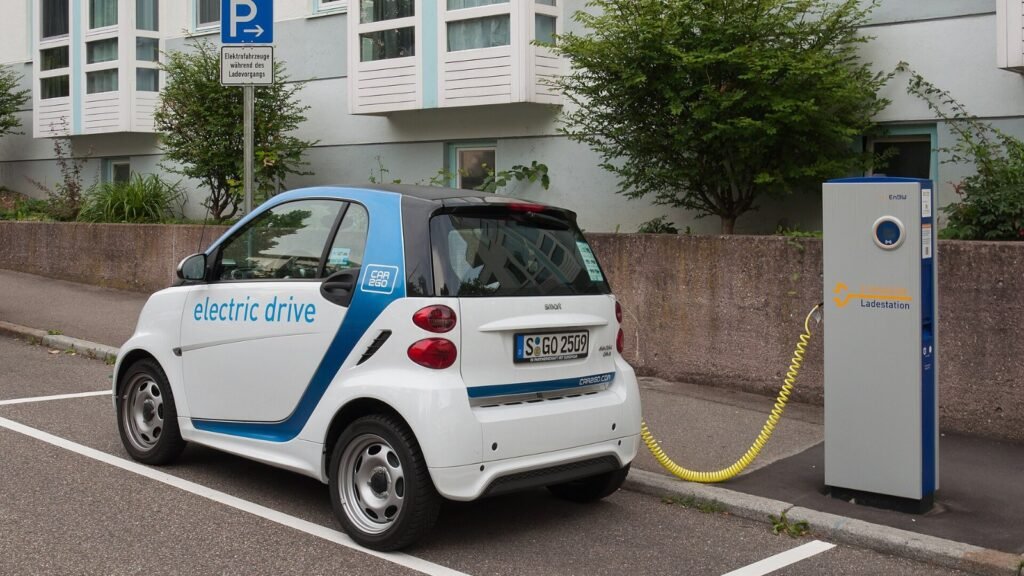
Battery packs are the most expensive component in an electric vehicle and the source of most of the uncertainty buyers feel about one. Enough vehicles have now been on the road for long enough that the questions can be answered from data rather than projection.
The chemistries in use
Two families dominate. Nickel-rich chemistries, usually referred to as NMC or NCA, pack more energy into a given weight, which yields longer range for the same mass. They rely on nickel and cobalt, both of which carry cost and supply-chain considerations.
Related: how large language models actually work
Lithium iron phosphate, generally abbreviated LFP, uses no cobalt or nickel. It is heavier for the same energy and therefore gives less range per kilogram, but it is cheaper, more thermally stable, and notably longer-lived in cycle terms. It has taken substantial market share in standard-range vehicles and in stationary storage.
A practical difference matters day to day: LFP packs tolerate routine charging to one hundred per cent, and manufacturers often recommend it periodically to help the management system calibrate. Nickel-rich packs are generally happier kept between around twenty and eighty per cent for daily use, with full charges reserved for long trips.
What degradation actually looks like
Two processes run in parallel. Calendar ageing occurs regardless of use and depends mainly on temperature and on the state of charge at which the pack sits. Cycle ageing occurs from charging and discharging and depends on how deep those cycles are and how fast.
Related: why one port delay raises prices everywhere
Aggregated field data from large fleets consistently shows a characteristic curve: a relatively steep initial loss of a few per cent in the first year or two, then a long, shallow decline. Typical figures cluster around one to two per cent per year after the initial settling, meaning a substantial majority of packs retain something in the region of ninety per cent of original capacity after a hundred thousand miles.
The distribution matters as much as the average. Outliers exist, and they correlate strongly with sustained hot climates, habitual fast charging, and regularly sitting at very high or very low states of charge.
Why range estimates disappoint
Official range figures come from standardised test cycles, and different regions use different ones, which is why the same car carries different numbers in different markets. These cycles are conducted under mild conditions with no accessory load.
Real consumption departs from that in predictable ways. Aerodynamic drag rises with the square of speed, so sustained motorway travel is far more demanding than urban driving — the reverse of the pattern combustion drivers are used to. Cold weather has two separate effects: the chemistry itself is less efficient at low temperature, and cabin heating draws significant power directly from the pack rather than from waste engine heat. Combined, these routinely produce winter range reductions in the range of twenty to thirty-five per cent, with heat pump equipped vehicles at the better end.
Charging speed and what limits it
Advertised peak charging rates are achieved only briefly and only under favourable conditions. The charging curve tapers substantially as the pack fills, because pushing current into a nearly full cell risks lithium plating and permanent damage. This is why charging from ten to eighty per cent typically takes far less than half as long again as eighty to one hundred.
Temperature is the other constraint. A cold pack cannot accept high current safely, so vehicles that precondition the battery — warming it while navigating to a charger — reach much higher rates on arrival. The presence and effectiveness of preconditioning is one of the larger practical differences between models and is rarely prominent in specifications.
Warranties and second life
Most manufacturers warrant the pack for eight years or a defined mileage, with a capacity retention floor commonly set around seventy per cent. Claims against these warranties have been relatively uncommon, which is consistent with the field degradation data.
At the end of automotive life, a pack retaining seventy per cent of capacity is still valuable for stationary storage, where weight and volume are unimportant. Beyond that, recycling processes can now recover a high proportion of lithium, nickel and cobalt, and recycled material is beginning to enter new cell production at meaningful volumes.
What actually preserves a pack
The evidence supports a short list. Use slower charging for routine top-ups and reserve rapid charging for journeys. Avoid leaving the vehicle at a very high or very low state of charge for extended periods, particularly in heat. Park in shade or a garage in hot climates where possible. Use preconditioning before rapid charging in cold weather.
Equally worth stating: these are optimisations, not requirements. The field data shows packs used without any particular care performing acceptably, and the difference careful habits make is measured in a few percentage points of retained capacity over many years rather than in the difference between a working car and a failed one.
More from PressBBC
- How Large Language Models Actually Work — A Plain-English Explanation
- Passkeys vs Passwords: What Actually Changes When You Switch
- Supply Chains Explained: Why One Port Delay Raises Prices Everywhere
- Browse everything in our Technology section.
Sources and further reading
- IEA — Electric Vehicles — global sales, battery demand and outlook
- NREL — US laboratory research on battery degradation